The packaging industry in India is expanding at a faster pace than ever. From packaged drinking water and soft drinks to edible oil, pharmaceuticals, cosmetics, and household cleaners, plastic bottles are omnipresent. But did you ever stop and ask yourself where these bottles really start?
The answer is simple: PET performs.
For many purchasers of packaging, in particular start-ups of manufacturing and business owners, PET preforms appear to be quite confusing initially. Manufacturers come in different weights, neck sizes, colors, grades , and pricing, which can complicate the buying process. And a single misstep could increase your production costs, compromise the quality of your bottles, or even damage your brand image.
That’s why understanding PET performance is no longer optional — it’s essential.
In this comprehensive guide, we explain everything about PET preforms: what they are, how they are made, their applications, types, advantages, pricing elements, and how businesses can choose the best PET preform manufacturer for their business based on quality, pricing, customization, and production requirements.
What is a PET Preform?
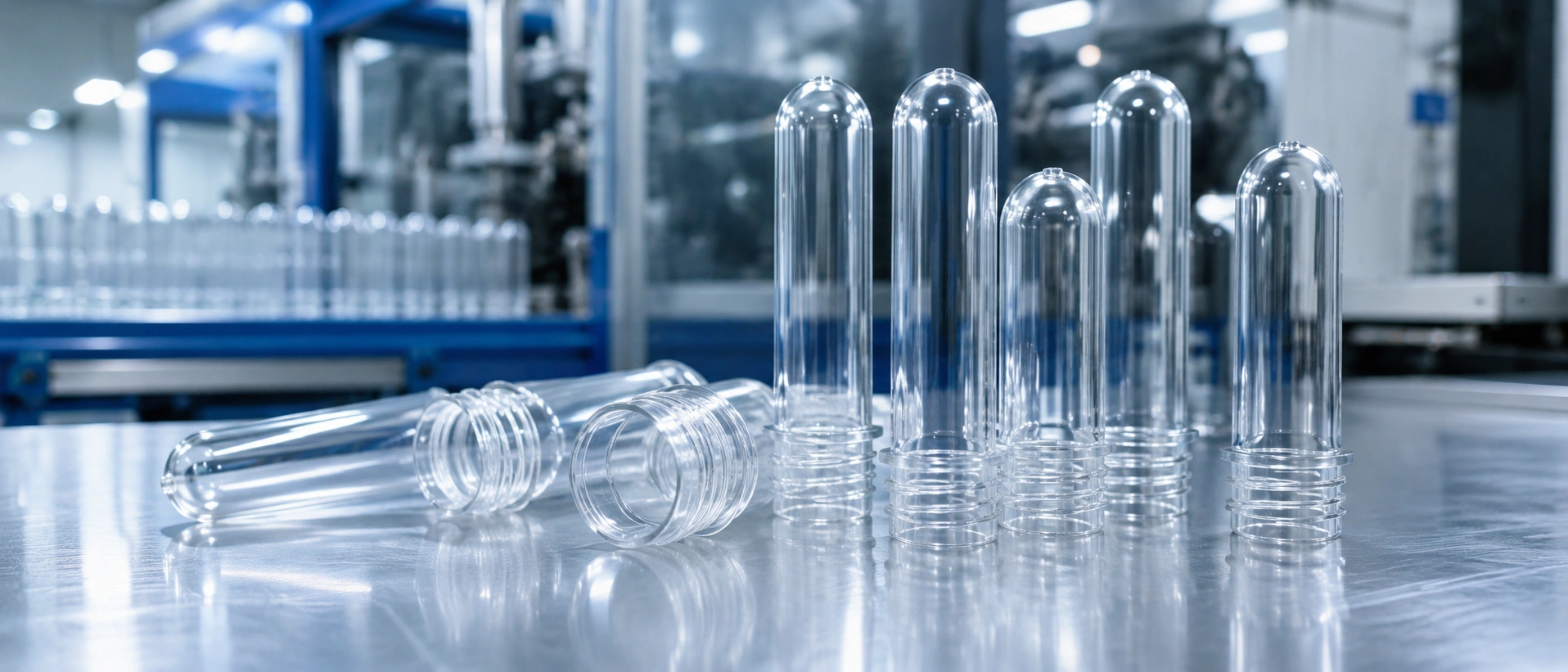
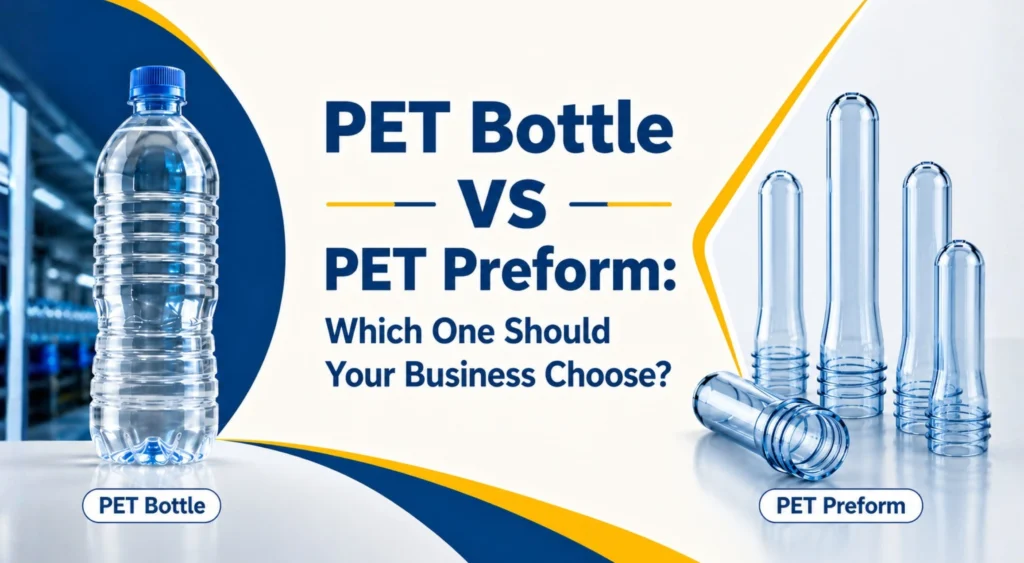
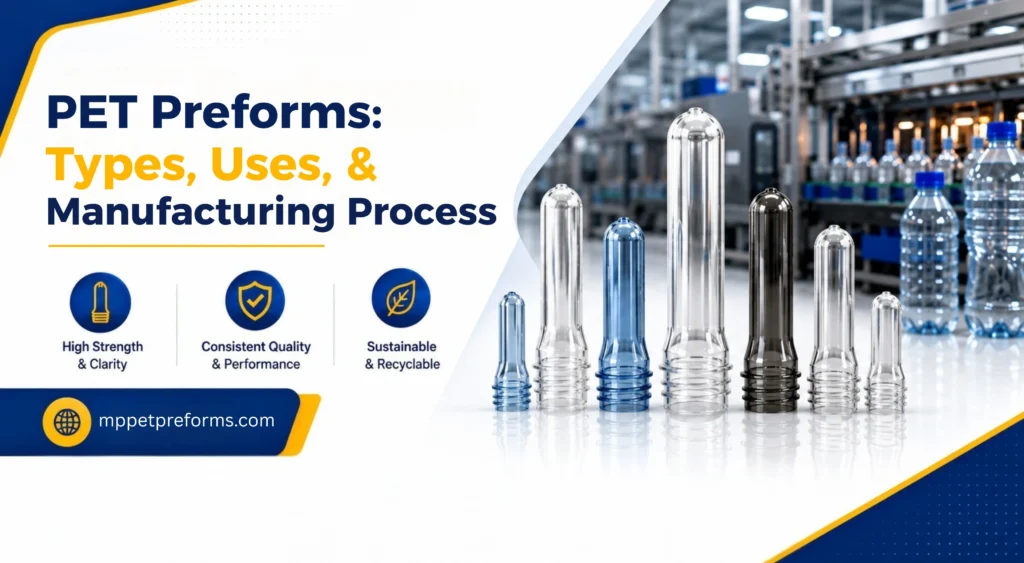
A PET preform is a plastic product the size of a test-tube, made from Polyethylene Terephthalate (PET) resin. It resembles a test tube with a threaded neck.
This preform is subsequently heated and stretched, blown into the end bottle shape in a blow molding machine.
If we describe in simple words: A PET preform is the raw form of a PET bottle.
Every plastic water bottle, juice bottle, cooking oil bottle, sanitizer bottle, or soft drink bottle that you find in the market was earlier a PET preform.
Understanding PET Material
Before purchasing PET preforms, you should know what material they are made from. Many buyers of packaging concentrate on the design of the bottle or the price, but the true strength of a bottle begins with the quality of the PET material.
PET stands for Polyethylene Terephthalate. It is a type of strong, lightweight, and clear plastic that is commonly used in the packaging industry. It is a member of the polyester family and has good durability, is safe, and is recyclable.
PET is popular because it offers:
- Good clarity
- Strength
- Lightweight construction
- Safe for food
- Moisture-proof / water-resistant
- Resistance to chemicals
- Good recyclability
This is why industries all across India choose PET packaging rather than weighty and costly substitutes like glass or metal.
Manufacturing Process of PET Preforms
Knowledge of the PET preform production process enables packaging purchasers to make purchasing decisions that are more informed and cost-efficient. When you understand how a product is made, you can better spot high-quality products, manufacturing defects, and reliable manufacturers.
While PET preforms may appear straightforward, their manufacture necessitates precision engineering, advanced machinery, and rigorous quality assurance at every phase.
Step 1: PET Resin Drying
The production process starts with the PET resin, the raw material from which the preforms are made. One important thing about PET resin is that it absorbs moisture from the air very fast.
If this water is not eliminated before processing, it can produce severe quality problems, such as:
- Bubbles
- Weakness in the material
- Low transparency
- Final product with cracked flakes
To avoid this, producers dry the PET resin under controlled temperatures in specialized drying equipment.
Step 2: Injection Molding
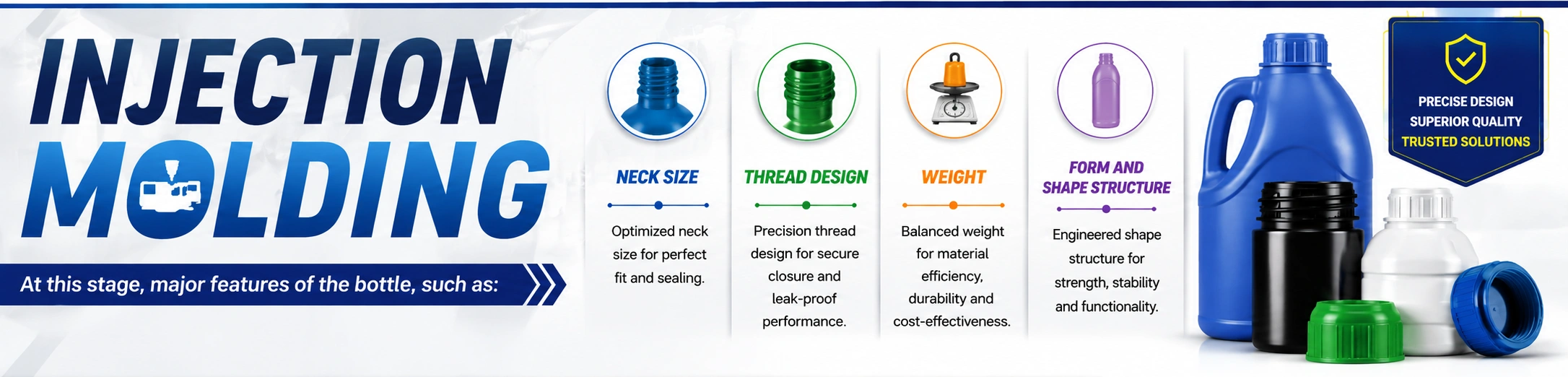
After drying, the PET resin is fed to an injection molding machine. The resin is heated inside the machine until it melts. The molten PET is then injected into a mold under high pressure. This mold shape forms the PET preform with the neck finish already done.
At this stage, major features of the bottle, such as:
- Neck size
- Thread design
- Weight
- Form and shape structure
It is interesting that the earlier in the process, the neck portion of the bottle remains intact, i.e., it is not deformed during the blow molding process. The body alone expands to the final bottle shape. This process needs high accuracy as any mistake will introduce a performance problem in bottles.
Step 3: Cooling Process
After the mold is filled with the molten PET material, the preform needs to be cooled adequately.
Cooling is very critical to prevent these cooling-induced problems:
- Shrinkage
- Nonuniform thickness
- Weaken the bottle structure
- Surface blemish
The preforms are cooled uniformly, and the strength and transparency of the preforms are maintained by the manufacturers with high-level cooling equipment.
A good cooling of the preform contributes to a better performance during the bottle blowing and also reduces production rejection rates.
Step 4: Quality Inspection
Manufacturers conduct rigorous quality checks before sending PET preforms to customers.
This step is important because it can be very difficult to fix errors in production caused by mistakes at the performance stage.
Manufacturers typically inspect:
- Weight accuracy
- Transparency
- Neck dimensions
- Crack resistance
- Color consistency
Some advanced manufacturers also conduct pressure testing and drop testing to ensure better durability.
Step 5: Blow Molding
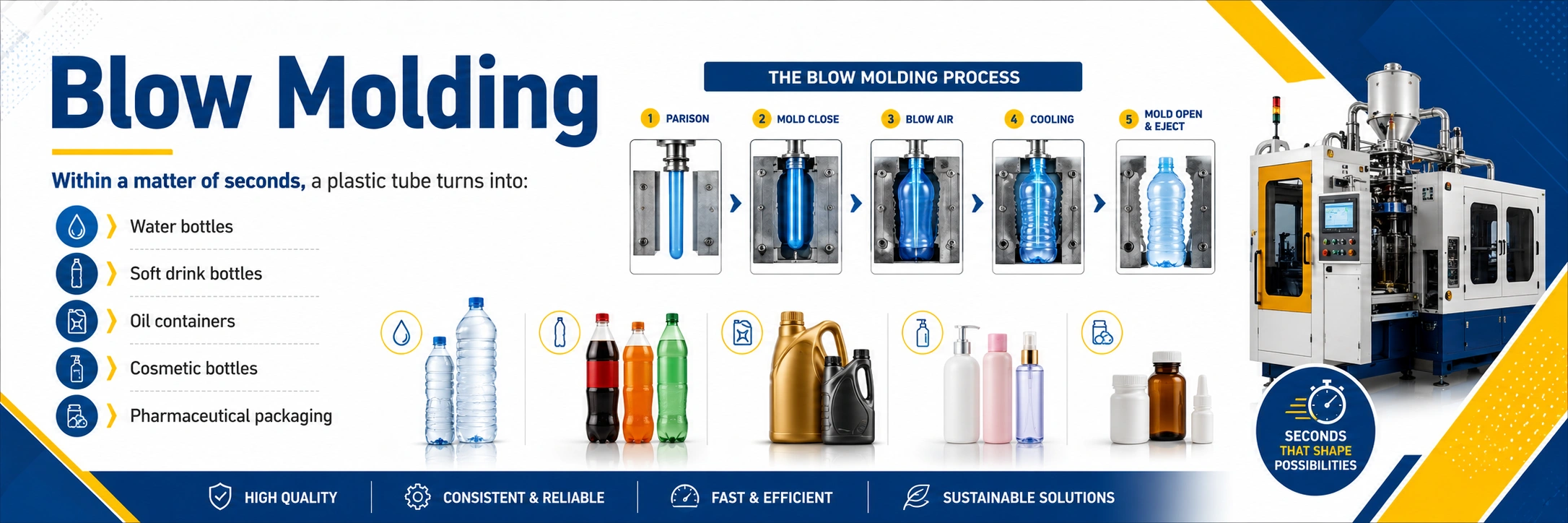
This is the phase in which the real magic takes place.
The PET preform is reheated and inserted into a blow moulding machine. The heated preform is expanded into the finished bottle shape with the help of high-pressure compressed air.
Within a matter of seconds, a plastic tube turns into:
- Water bottles
- Soft drink bottles
- Oil containers
- Cosmetic bottles
- Pharmaceutical packaging
This process is fast, efficient, and highly accurate.
Why Are PET Preforms So Popular in India?
The demand for packaged products is increasing in India, and this up surges the growth for packaging entrepreneurs.
Because PET preforms are:
Cost-Effective: Producing PET bottles is significantly cheaper than the assembly and forming of glass or metal.
Lightweight: It is easier to transport and cheaper to transport.
Durable: PET bottles are resistant to breakage when shipped and handled.
Recyclable: With increasing environmental consciousness, reusable packaging is a growing trend.
Customizable: Machinery can be built
- Different colors
- Different bottle shapes
- Varied neck sizes
- Designs for brands
Types of PET Preforms
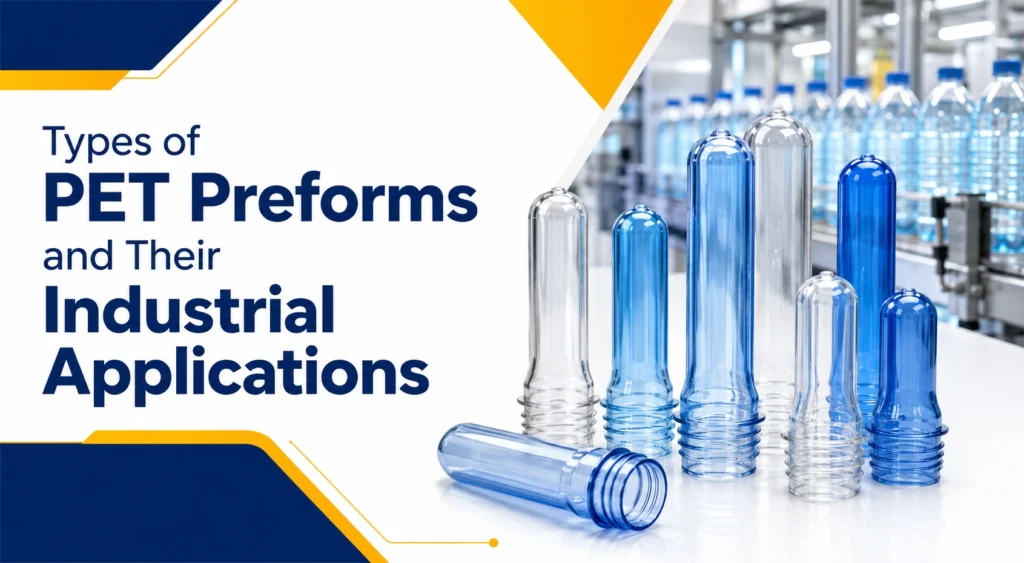
Not every PET Preform is created equal. Each industry demands a different bottle shape, strength, neck size, and packaging performance. Selecting the incorrect Preform style may result in bottle defects, leak problems, production waste, and increased cost.
And that’s why buyers of packaging need to know the four main PET preform types before they make an order for a large quantity.
Here are the most common types of PET preforms in India.
1. Water Bottle PET Preforms
These are the most popular types of PET preforms in India. They are specially designed for:
- Packaged drinking water
- Mineral water
- RO water bottles
Preforms for water bottles are generally clear and extremely lightweight.
Common Features
- Crystal-clear finish
- Lightweight structure
- Cost-effective production
- Mostly available in 28mm neck size
2. CSD PET Preforms (Carbonated Soft Drink)
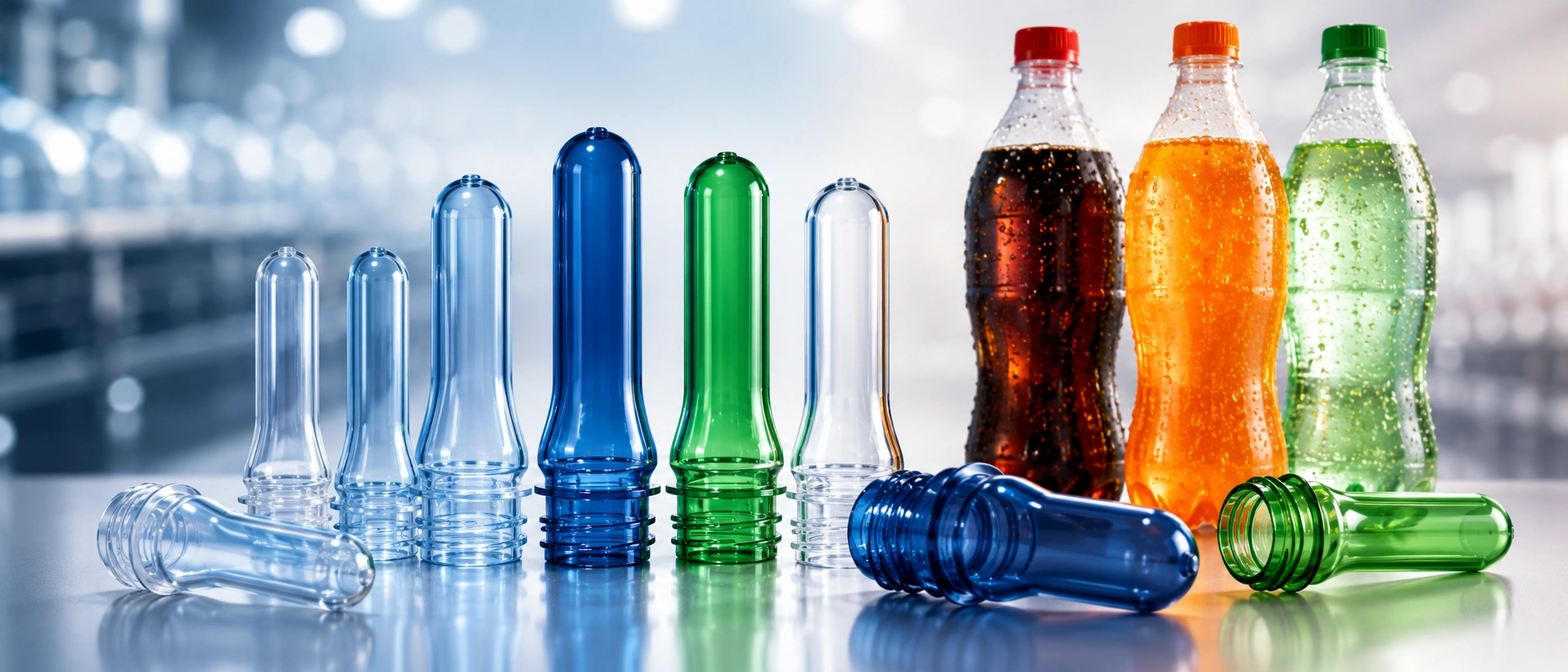
The CSD performs dimensions for:
- Soft drinks
- Soda
- Sparkling beverages
- Carbonated energy drinks
These preforms are more robust than standard water bottle preforms as they need to endure internal gas pressure.
Main Features
- Increased strength
- Excellent pressure resistance
- Body thickness design
- Improved durability and reliability
If poor quality preform is used for carbonated drinks, the bottle may expand or explode.
3. Hot Fill PET Preforms
Hot fill preforms are intended for hot filling products. Such as:
- Fruit juices
- Tea beverages
- Health drinks
- Sauces
Normal PET bottles may get distorted on heating, but hot fill preforms are specifically designed to withstand high temperatures.
Benefits Overview
- Thermal stability
- Improved shape stability
- Better support for longer storage life
4. Wide Mouth PET Preforms
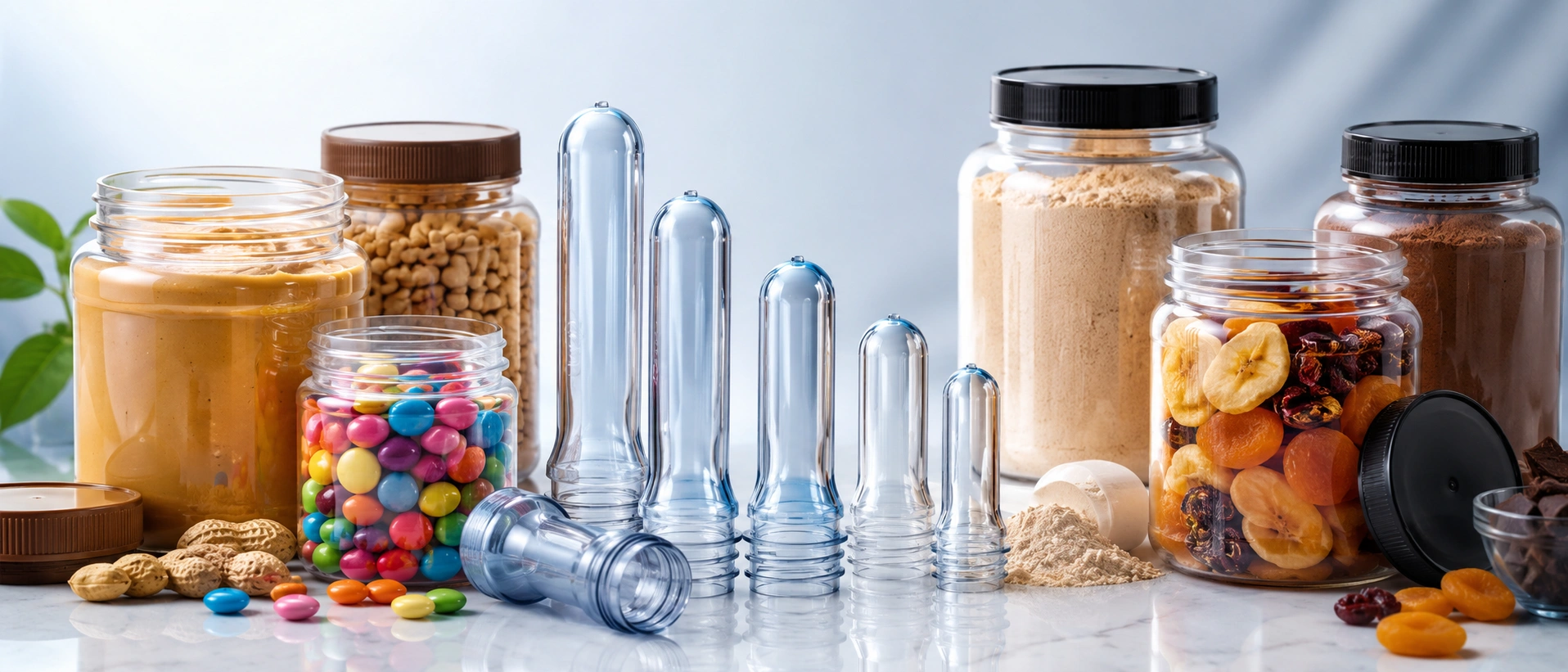
Wide-mouth preforms have larger diameters of the neck finish. They are typically used for:
- Peanut butter jars
- Candy containers
- Protein powder jars
- Dried fruit packaging
The Essential Benefits
- Easy filling
- Easy access to the product
- Improved Storage Convenience
PET Preform Sizes and Bottle Capacity
Here’s a simple overview buyers should understand:
Preform Weight | Typical Bottle Capacity |
8g – 12g | 250ml – 500ml |
14g – 18g | 1 Liter |
20g – 25g | 2 Liter |
30g – 35g | 5 Liter |
50g+ | Large jars & containers |
Conclusion
Selecting the correct PET preform is the most critical aspect for any packaging company. Bottle quality, production efficiency, and being able to serve the needs of customers, brand owners, and fillers, it all count. A dependable provider enables you to minimize waste, stay consistent, and take your business to the next level with peace of mind.
If you want to buy the best quality and robust PET preforms with any custom design and shape, then MP PET Preforms is one of the top names in this field in India. They enable companies to build higher-performing and more cost-effective packaging enterprises through quality, reliability, and customer satisfaction.